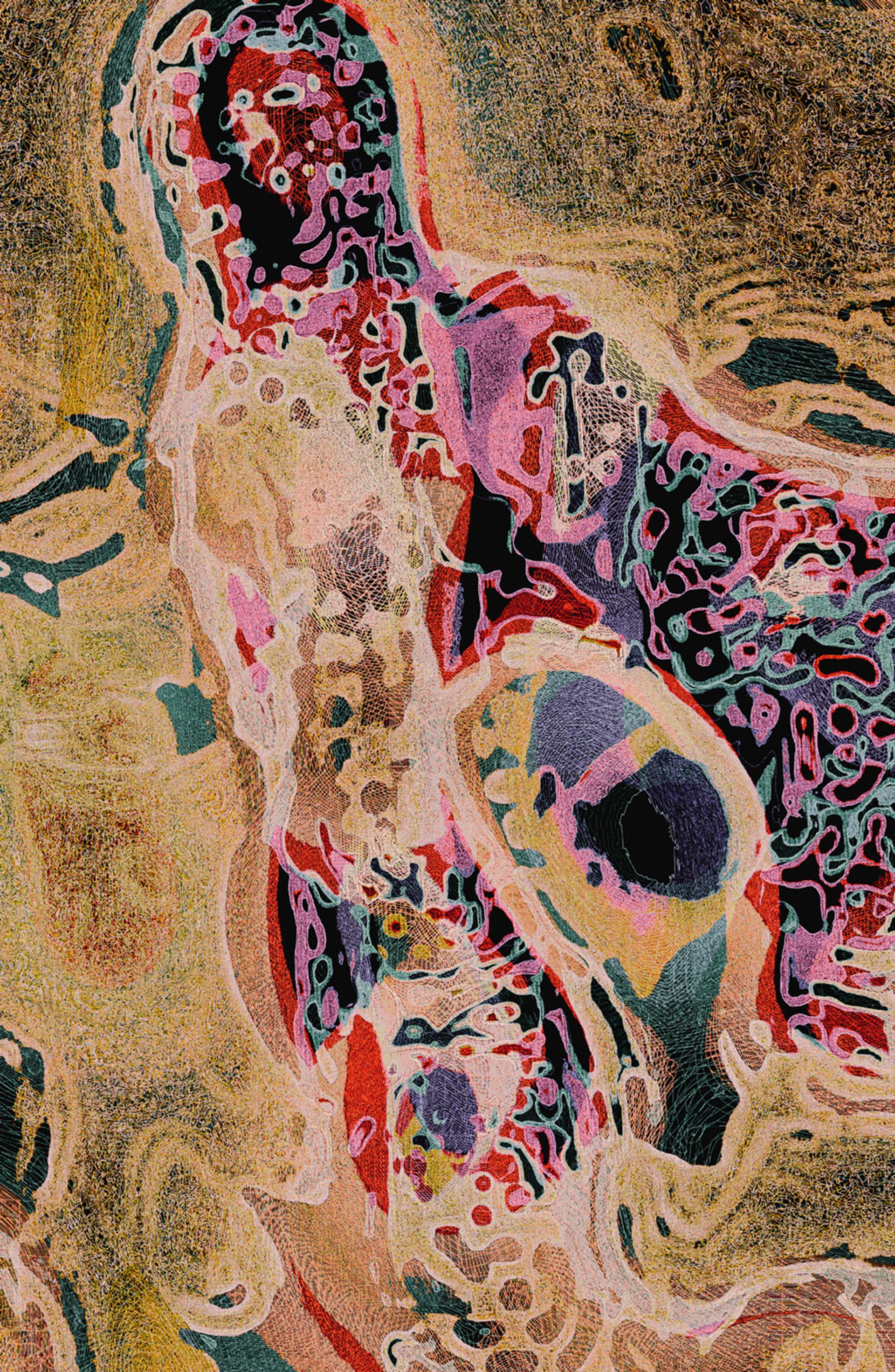
There are much similarities between coding and crafting as I read through the making process of generative artists. Some work on parameters, some on the level of hyper-parameters, but either way, human is very much present in the process.
A memo by Hashimoto Baku during the event Homo-Codens
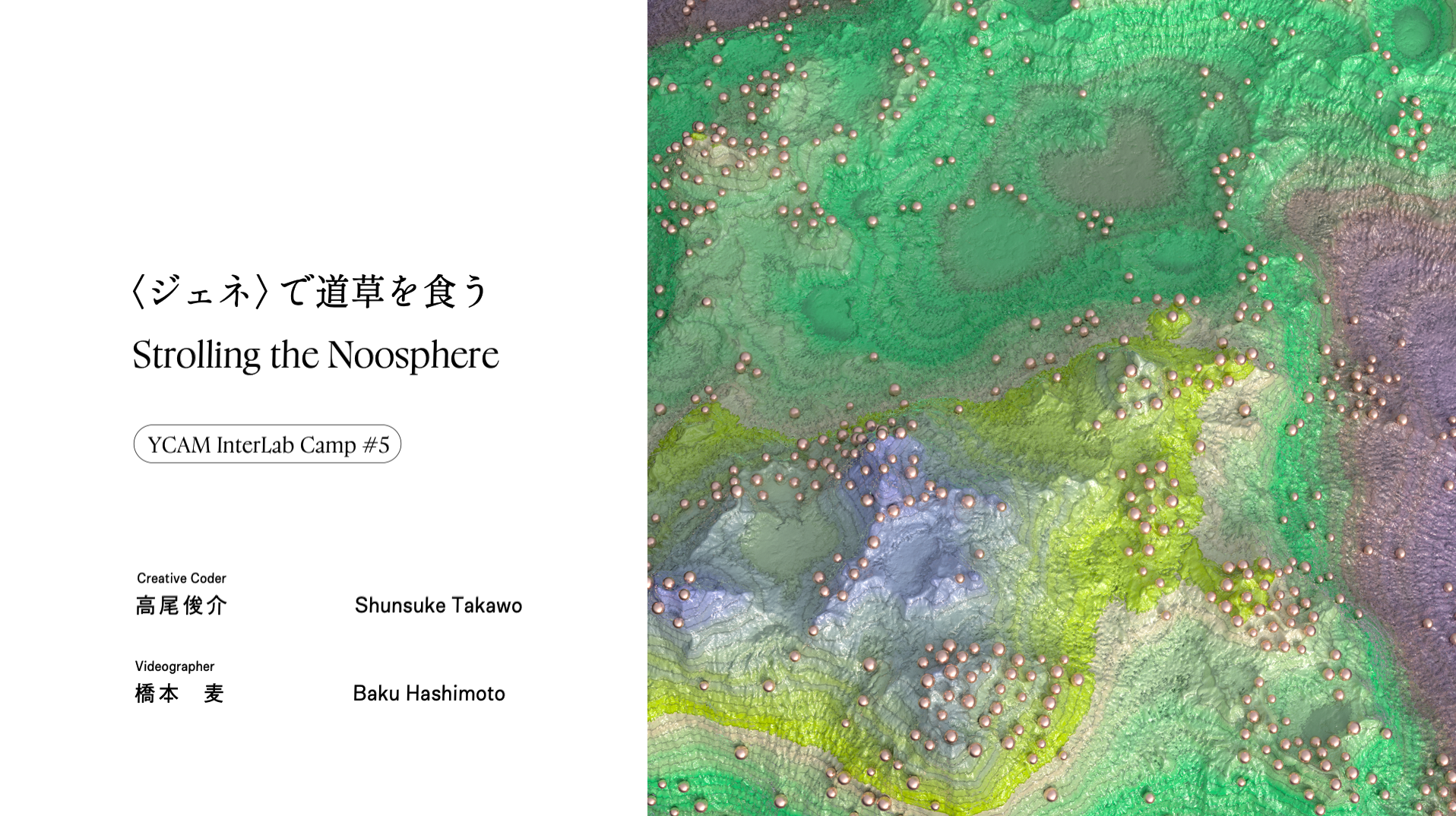
Le Random on Generative Art
[As an artist] you are always having to make decisions. […] With the machine imaginaire, there was a good tool for avoiding this — randomness. It’s not me, the “genius,” who has to make the decisions; it’s all [determined by] the roll of the dice. […] And intuition — that holy intuition — randomness can replace that. Just as we have artificial intelligence, we have artificial intuition. And like we were saying, with the machine imaginaire [type of program] you could end up with a work that goes on for thirty years, or a thousand years. You need to draw boundaries somewhere.
I think this is what’s paradoxical about the computer — it actually helps you to bring into the world what you had only imagined, even when you yourself don’t [yet] know what that is.
So [the computer] actually humanizes your production — not dehumanizes, but humanizes.
[!NOTE] Design of processes Creativity can come from: systems, chance, rules, machines. The artist becomes more like a designer of processes. It closely relates to generative systems, but also craft processes like knitting or weaving.
Casey Reas on Generative Art, also this
Another point is that the code is not the art. The code is not it. The code is a way of articulating ideas but there’s nothing interesting, special or unique about the code. The true system exists on a level below the code. The code is the way that I can precisely articulate that idea but I could articulate each project in a half dozen different languages.
For me, I use randomness in the same way that artists got excited about randomness over one hundred years ago: as a way of getting around my biases, getting around my taste. When I see something unexpected, I know it; it just hits me. So randomness is a really good technique to get to something that’s really unexpected.
Qubibi on Hello World and later, Mimizu